Disagreement is signal, and averaging destroys it
Two specialists at opposite extremes and four agreeing on neutral produce the same midpoint. They must never produce the same confidence.
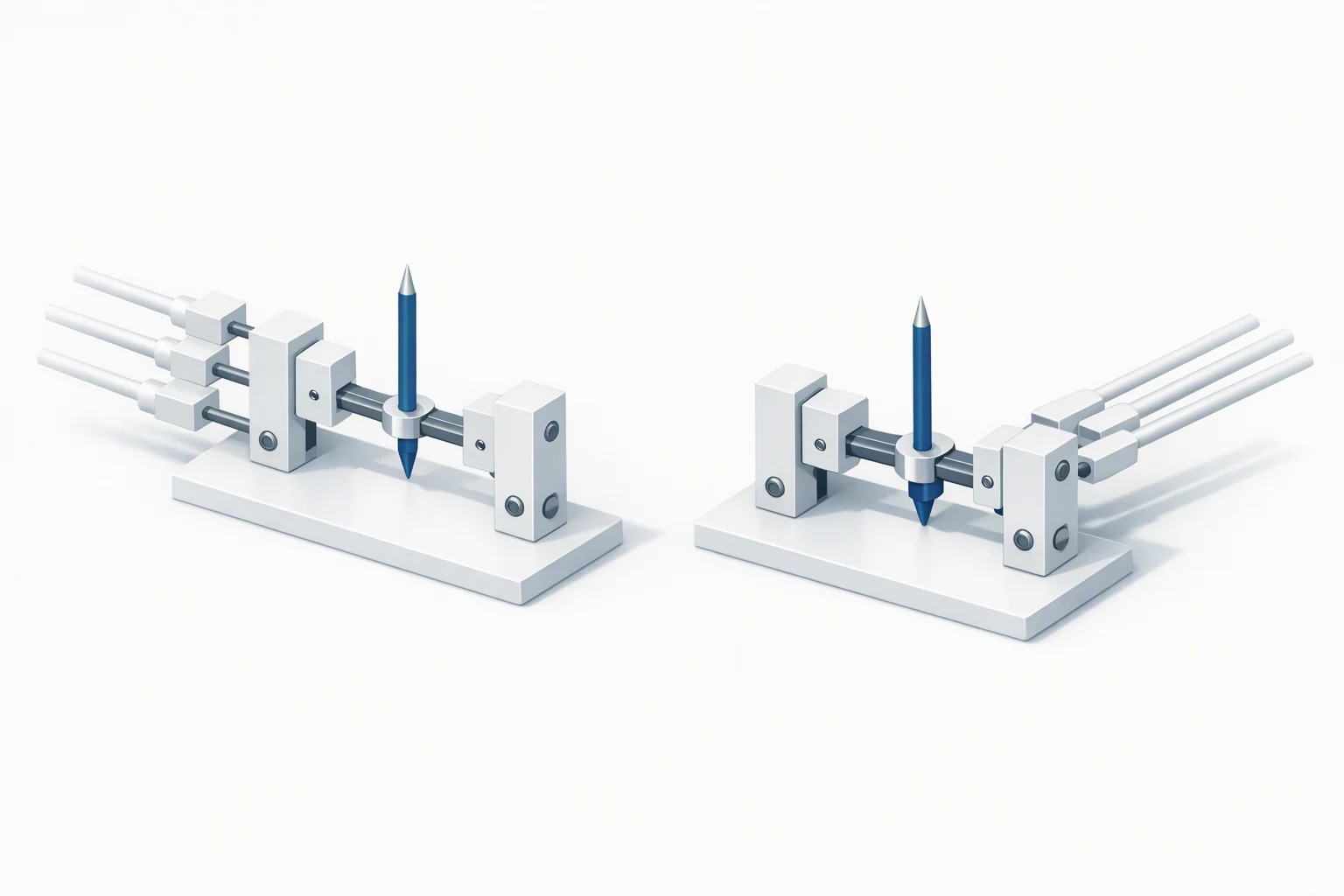
Every ensemble faces the same temptation. You have several opinions and you need one answer, so you combine them — and the natural combination is a mean. It is defensible, it is stable, and it throws away the most valuable thing in the input.
Take a receivable where the clinical reading says the treatment sequence is coherent and well documented, and the counterparty reading says this particular carrier disputes causation on matters of exactly this shape more often than the line average. Those are not two noisy estimates of one quantity. They are two different facts pulling in opposite directions, and their disagreement is precisely the thing an underwriter needs to see.
Average them and you get a midpoint that no specialist would defend, presented with the same confidence as a case where all four agreed. The information that made the file interesting has been arithmetically removed.
So Eve composes rather than averages. The disagreement is named, both sides are attributed to the specialist that reached them, and it widens the band rather than moving the midpoint. An underwriter reading that output can see which reading to go and check.
Two structural choices follow. First, attribution is enforced rather than requested: Chiron cannot opine on venue, Justine cannot opine on causation, and a conclusion outside a specialist’s owned axes is quarantined before it reaches the verdict. Second, the composition step may not introduce a finding of its own — Eve explains a band she did not compute, because a composition layer that can generate a number can generate a wrong one that nobody owns.