The corpus is the model
There is no training in this product. That is not a limitation — it is what makes a mark reproducible.
The reflex when building a valuation system is to train on your book. It is intuitive, it sounds like a moat, and it is the wrong shape for the problem.
A trained model cannot tell you why. It produces a number that is a function of weights, and the weights are a function of everything it ever saw. Ask it to justify a mark in front of a credit committee and the honest answer is a description of a training process. Ask it to re-derive last year’s mark and the honest answer is that the model has changed since.
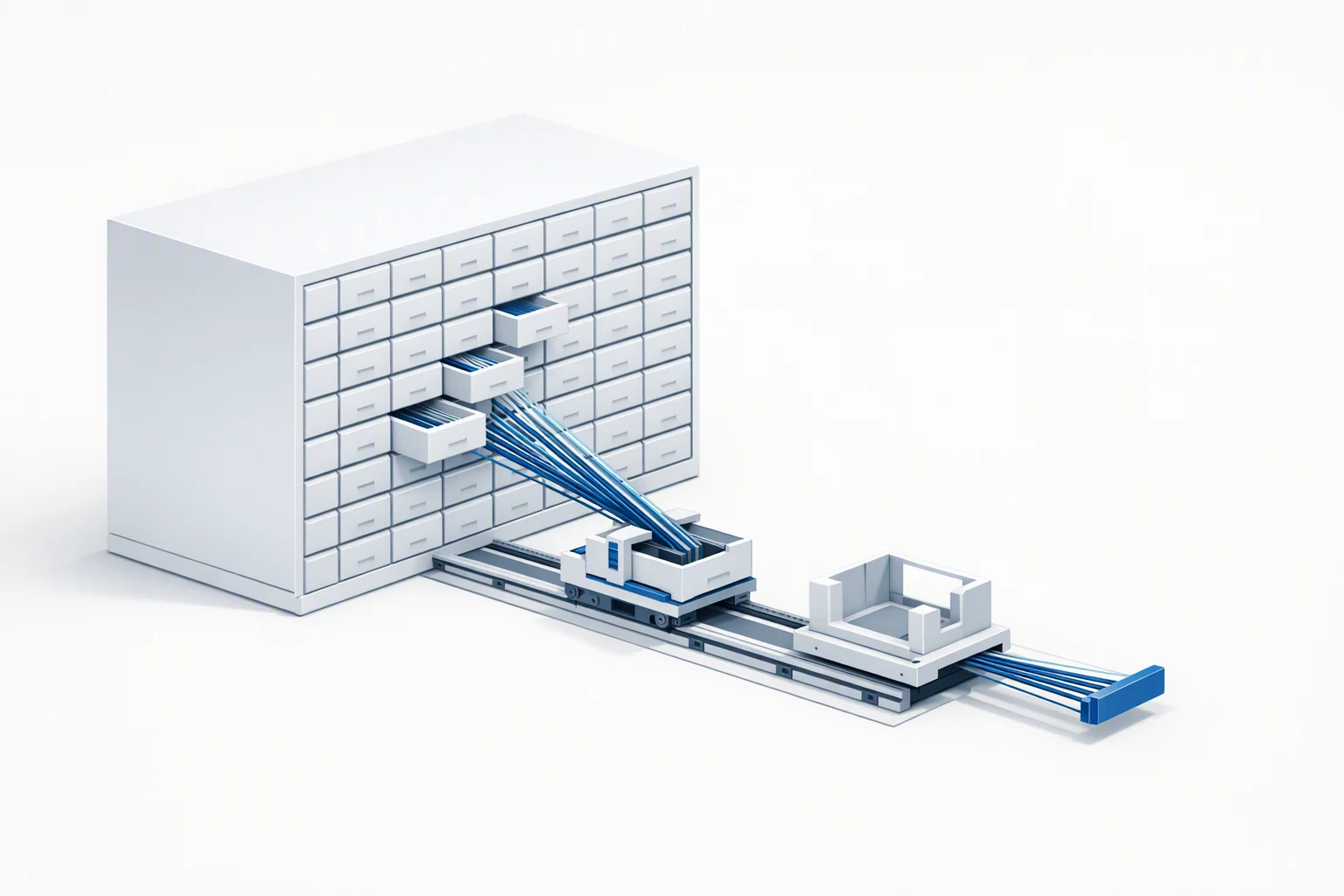
EliAI is retrieval-grounded instead. The reasoner works over a corpus of comparable settled matters, and the band is descriptive statistics over the retrieved cohort. Every figure carries a citation to the comparable that produced it, and uncited digits are quarantined before they reach a verdict.
This inverts the engineering. The corpus becomes the asset and the retrieval becomes the thing to get right — which is why the query, the cohort, the pinned engine versions and the simulation seed are all recorded onto the valuation artifact. Given the same inputs, the same answer comes back years later. That is a different property from being able to look up what you saved: retrievable means we can show you the number, reconstructable means you can re-derive it.
It also means your book is never absorbed into weights another tenant could query, which is the question every security officer asks third and every vendor answers vaguely. Here the answer is structural: there is nothing to absorb into, because there is no training step. See AI disclosures.